

WE RAISE FUNDS FOR ONCOLOGICAL RESEARCH
FERO is a private foundation that raises funds through different ways of collaboration: from one-time or recurring donations, both from companies and individuals, the possibility of leaving a legacy or inheritance to the Foundation, collaborating in the organization of solidarity events, or participating in crowdfunding campaigns.
WE ALLOCATE RESOURCES TO ONCOLOGICAL RESEARCH
To bring the benefits of research to patients in the shortest possible time, we allocate our resources to finance excellent research centers (Institutional Agreements) and translational research projects by young investigators (FERO Calls)
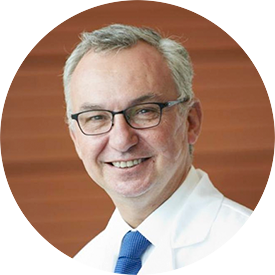
Dr. Josep Baselga, founder of the FERO Foundation and globally recognized oncologist, knew firsthand the power of research and was convinced that in order to win the battle against cancer, it was essential to create an ecosystem that allowed thinking big and attracting scientific and medical talent to drive oncological research in Spain
INSTITUTIONAL
AGREEMENTS
FOR RESEARCH CENTERS
We provide with National Centers of Excellence in Research, either by promoting their establishment or their projects and programs, with the aim of creating a favorable ecosystem for research in Spain, promoting precision medicine, and seeking to impact patients at a national level.
FERO has allocated more than 24 million euros to these agreements, and the long-term vision is to continue supporting more research centers to multiply results.
VALL D’HEBRON INSTITUTE OF ONCOLOGY (VHIO), CATALONIA
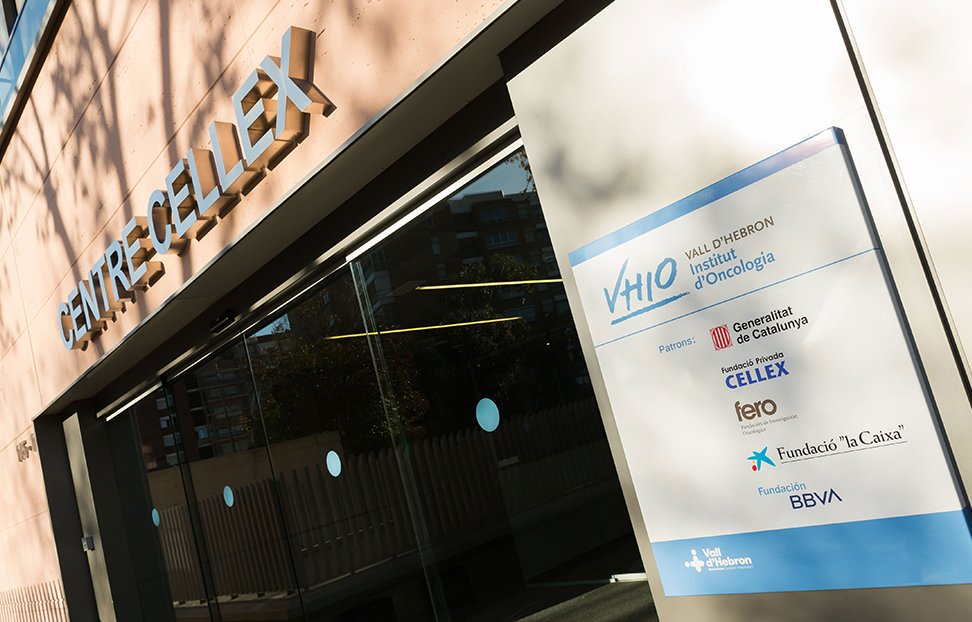
In 2007, FERO was one of the promoters of VHIO, Spain's reference center for personalized medicine in oncology. Since then, the Foundation has played a key role at the institute strategically, being part of the board of trustees and as a financier.
INCLIVA AT THE UNIVERSITY CLINIC HOSPITAL OF VALENCIA
With the goal of establishing a precision medicine program for cancer patients in the Valencian Community, and thanks to the contributions of Valencian donors, since 2019, the FERO Foundation has initiated an agreement with the Research Institute (INCLIVA) in Valencia. Furthermore, to strengthen the long-term commitment with the center and the Valencian Community, FERO is part of the board of trustees of INCLIVA.
HOSPITAL 12 DE OCTUBRE DE MADRID
FERO and the Foundation for Biomedical Research of the University Hospital 12 de Octubre (i+12 Foundation) initiated the first institutional agreement in 2022 with the aim of establishing long-term support for translational research in various research groups at the medical center. With this initiative, FERO seeks to expand the national network of precision medicine centers so that more Spanish patients can access diagnosis and treatment.
DIAMAV at VALL D'HEBRON
The Advanced Molecular Diagnostics Program (DIAMAV) at Vall d’Hebron Hospital, led by Dr. Ana Vivancos, was initiated by FERO with the aim of providing better oncological responses to guide cost-effective cancer treatments (personalized medicine).
The team consists of a multidisciplinary group of experts from different disciplines such as genomics and cancer biology, molecular pathology, medical oncology, and genetic counseling.
Currently, more than 1,000 people participate annually in this program, and hundreds of patients benefit from clinical trials or receive targeted therapies because their tumors are analyzed by DIAMAV.

Start-up VHIO Grants
Throughout the history of FERO, and following the strategy of creating a competitive and excellent environment in Spain to attract and consolidate young talent, the Foundation has supported multiple researchers in the early years of forming their independent laboratories. The laboratories of Laura Soucek, Maria Abad, Sandra Peiró, and César Serrano received a Start-UP grant at one point.
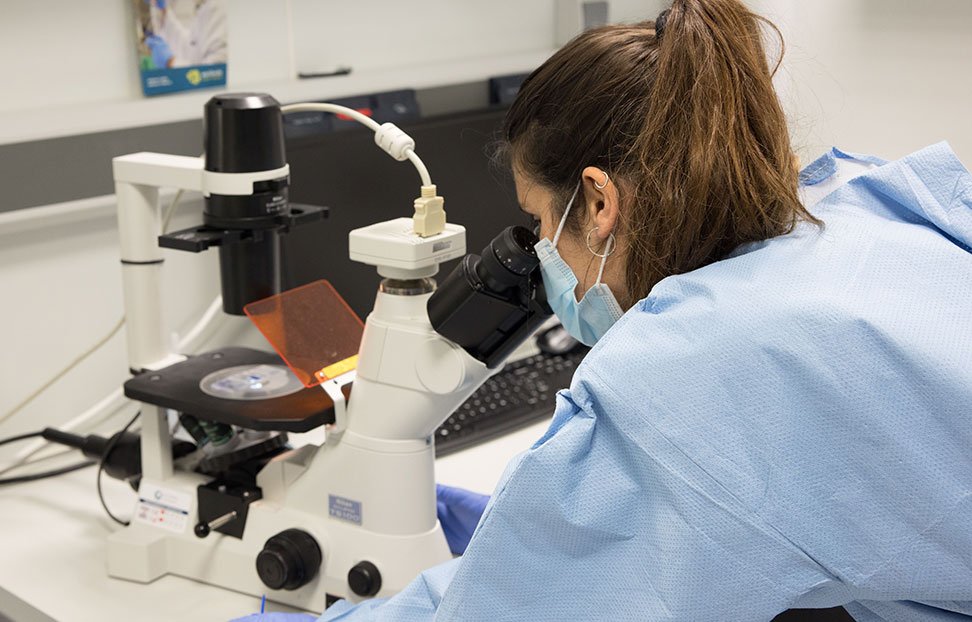
PRECISION MEDICINE UNIT IN ONCOLOGY AT INCLIVA
The project, known as ‘Precision Medicine in Oncology: Development of new technological approaches for the selection of personalized treatments,’ has been led by Dr. María Desamparados Roda and Dr. Sheila Zúñiga.
Each year, a total of 500 patients receive a molecular diagnosis and increased access to targeted therapies through clinical trials or approved targeted drugs. Since 2021, a total of 300 patients per year have participated in the pharmacogenomics study, which helps understand how patients metabolize drugs.
TRANSLATIONAL RESEARCH UNIT IN PROSTATE CANCER AT HOSPITAL 12 DE OCTUBRE
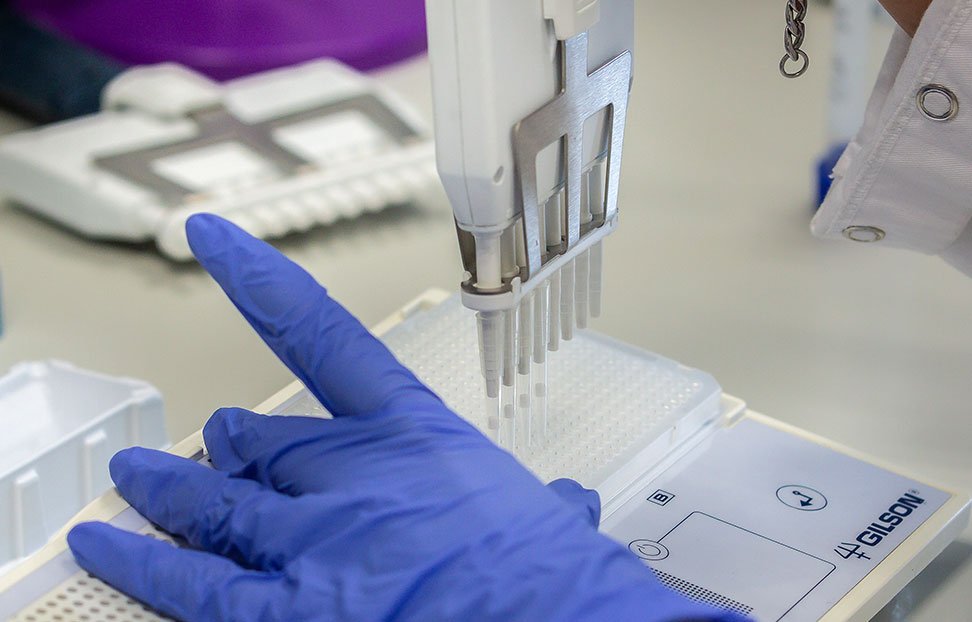
This program, led by Dr. David Olmos and Dr. Enrique Billabeitia, specialists in medical oncology and established experts in prostate cancer, is the result of a collaboration between the Research Institute of the University Hospital 12 de Octubre in Madrid i+12 and the Fundación FERO.
This collaboration aims to discover new mechanisms of prostate cancer progression and its metastases and promote translational research in this type of cancer through a research platform where studies applicable in clinical practice are developed.
The project aims to create a comprehensive biobank on prostate cancer, consisting of tumor tissues and samples from patients diagnosed and treated at the Hospital 12 de Octubre in Madrid.
BREAST CANCER AT HOSPITAL 12 DE OCTUBRE
A project led by medical oncologist Dr. Eva Ciruelos, coordinator of the Breast Cancer Unit at Hospital 12 de Octubre in Madrid and HM Hospitals in Madrid. It is a study supported by the Fundación FERO and funded by Mary Kay Spain through its campaign ‘Pink Changes Lives.’
This research focuses on patients with advanced breast cancer, aiming to identify which patients respond to certain treatments and discover mechanisms of resistance to them.
FERO Calls
FOR RESEARCHERS
We offer grants to young researchers through the FERO Calls, financing promising translational research projects with the aim of fostering young talent and accelerating oncological research in our country. In operation since 2009, over 4 million euros have been allocated to promote young talent.
FERO GRANT IN TRANSLATIONAL ONCOLOGICAL RESEARCH
- Objective: Training new talents in the field of oncology.
- Audience: Aimed at young researchers from national institutions or research centers of excellence with a translational oncological research project.
- Grant: €80,000 per grant.
FERO DR. BASELGA GRANT IN TRANSLATIONAL ONCOLOGICAL RESEARCH
- Objective: This initiative started in 2022 to expand the legacy of Dr. Josep Baselga, founder of the FERO Foundation, whose dream was to defeat cancer through research. Promote the consolidation of research groups in the field of oncology in Spain.
- Audience: Aimed at established or emerging researchers to help establish their research groups in the field of Oncology in Spain.
Grant: €300,000 per grant.
FERO-ASEICA GRANT
- Objective: Promote oncological research in Spain in collaboration with the Spanish Association for Cancer Research (ASEICA).
- Audience: Aimed at young researchers in the field of oncological research.
- Grant: €80,000 per grant.
BREAST CANCER PROJECTS
- Objective: Support the best researchers in the field of breast cancer in Spain and promote the transmission of scientific advances to patients. Throughout 2023, the V FERO-GHD Breast Cancer Project and the V FERO-MANGO Breast Cancer Project will be announced.
- Audience: Aimed at researchers with translational research projects in breast cancer.
- Grant: €80,000 per grant.
The jury that evaluates research projects applying for FERO grants consists of a group of reference researchers in the field of oncology. The composition of the jury may vary according to the needs of the call.
CHAIRMAN
Dr. Andrés Cervantes. Clínic Hospital of Valencia (INCLIVA), Valencia.
MEMBERS
- Dr. Josep Tabernero, Vall d’Hebron Institute of Oncology (VHIO), Catalonia.
- Dr. Arkaitz Carracedo, CIC bioGUNE, Basque Country.
- Dr. Joaquín Arribas, Vall d’Hebron Institute of Oncology (VHIO), Catalonia.
- Dr. Luis Paz-Ares, Hospital 12 de Octubre, Madrid.
- Dr. Laura Soucek, Vall d’Hebron Institute of Oncology (VHIO), Catalonia.
- Dr. Aleix Prat, Clínic Hospital of Barcelona, Catalonia.
- Dr. Judith Balmaña, Vall d’Hebron Institute of Oncology (VHIO), Catalonia.
IV GRANT FERO-ASEICA - DR. MIGUEL ÁNGEL MUÑOZ. A CORUÑA NOVEMBER 2023
- Dr. Miguel Muñoz from the Complutense University of Madrid.
- Project: "Monitoring interactions of resident T cells through innovative techniques: an innovative approach to cancer immunotherapy."
- Grant: €80,000
The project addresses the low efficacy of immunotherapy in solid tumors due to the limited infiltration of lymphocytes into the tumor. It aims to understand the function and regulation of different types of T cells in specific tissues and their ability to control localized anti-tumor immunity. By combining information on the location and transcriptome of immunological cells infiltrated in the tumor, the project seeks to decipher the molecular pathways mediating communication between cells. The ultimate goal is to assess the effects of the dysregulation of these pathways in cancer and tailor cellular immunotherapy based on the anatomical location of tumors.
IN COLLABORATION WITH ASEICA
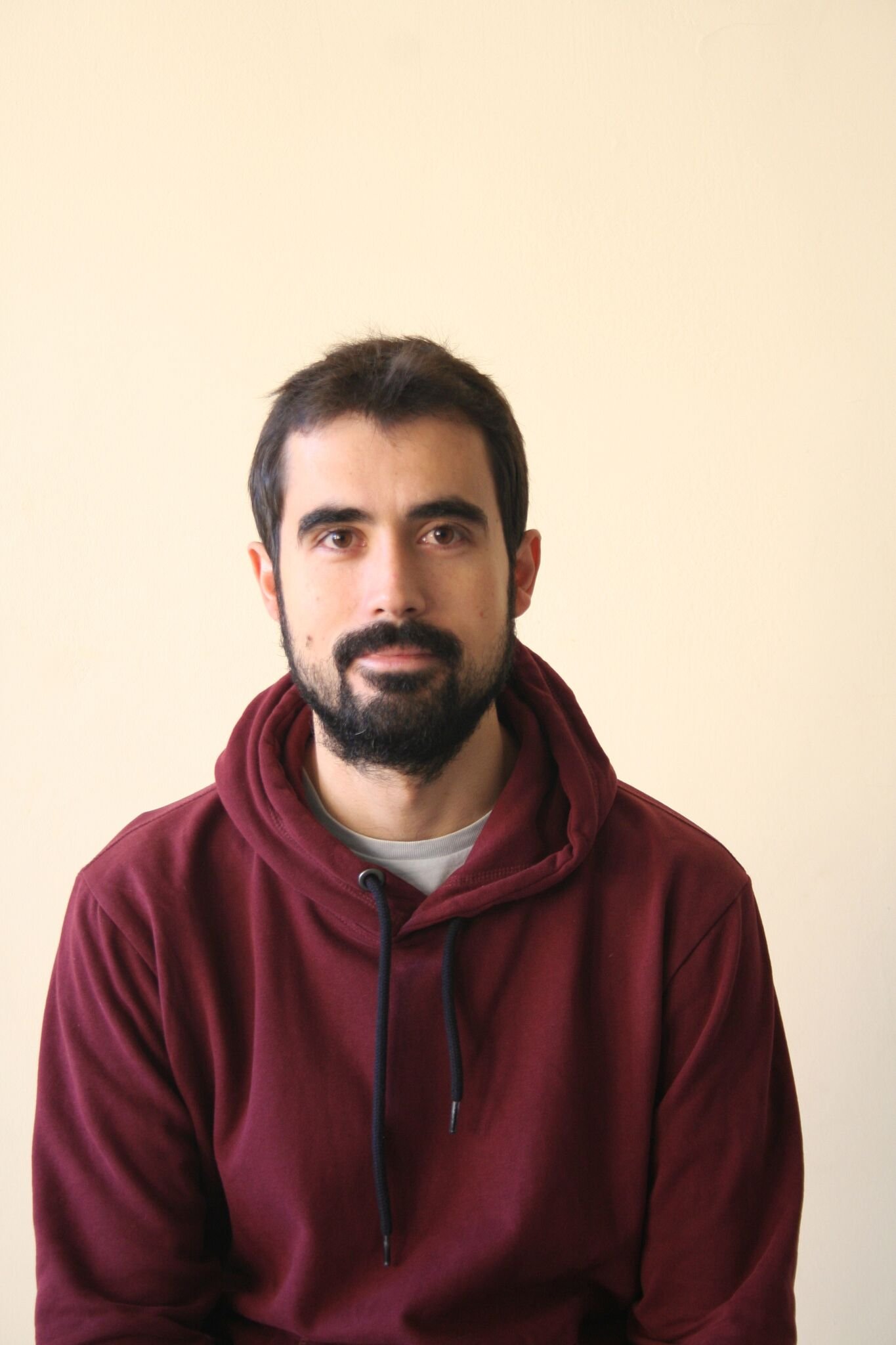
II FERO DR. BASELGA GRANT - DR. MARTA ALONSO. MADRID NOVEMBER 2023
- Dr. Marta Alonso from CIMA at the University of Navarra.
- Project: "Overcoming resistance to viral therapies in the treatment of pediatric brain tumors."
- Grant: €300,000
Dr. Marta Alonso and her team at the University of Navarra are working on therapies for diffuse intrinsic pontine glioma, a lethal brain cancer in children. Using modified adenoviruses, they managed to extend the survival of patients by combining therapy with radiotherapy. However, relapses are common due to immune system suppression. With funding from the FERO Dr. Baselga Grant, they aim to develop a new generation of viruses that avoid immune suppression and obtain approval for clinical trials.
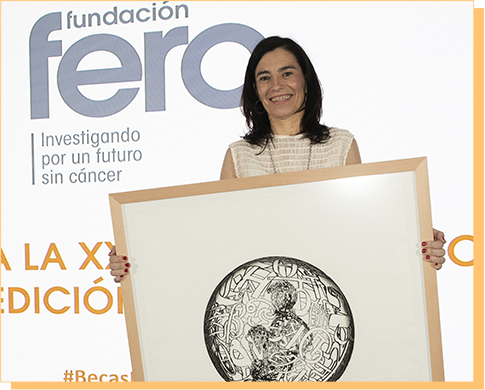
XXV FERO GRANT - DR. ALEXANDRA AVGUSTINOVA. MADRID NOVEMBER 2023
- Dr. Alexandra Avgustinova from the Biomedical Research Institute and Sant Joan de Déu Foundation.
- Project: "Genome editing as a therapeutic approach in malignant rhabdoid tumors."
- Grant: €80,000
The project aims to develop the first targeted, safe, and efficient therapy for patients with malignant rhabdoid tumors. Dr. Avgustinova's team will use gene editing strategies in mouse models and human samples to reverse pro-tumoral alterations in SMARCB1, reactivate its epigenetic function, and thereby halt tumor growth. With the results of this project, Dr. Avgustinova aims to obtain proof-of-concept results to move towards a clinical trial with this therapy for malignant rhabdoid tumor patients.
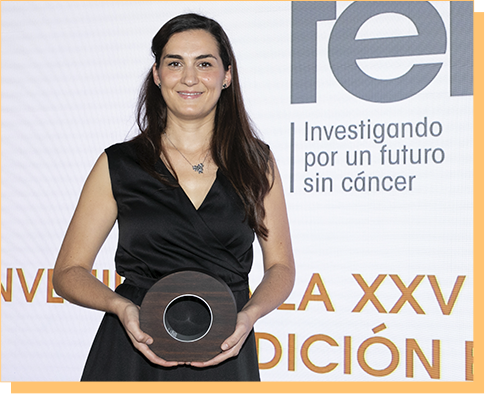
V FERO-MANGO PROJECT - DR. MARCOS MALUMBRES. MADRID NOVEMBER 2023
- Dr. Marcos Malumbres from Vall d'Hebron Institute of Oncology (VHIO).
- Project: "Discovering the cause of inefficacy in therapies against hormone-positive and metastatic breast cancer."
- Grant: €80,000
With the help of the V FERO-MANGO Project, Dr. Marcos Malumbres's research team at VHIO aims to understand the molecular reasons why patients with a specific subtype of breast cancer (ER+, Her2-) routinely treated with cyclin-targeted therapies only have a transient response to therapy and eventually relapse. With FERO's support, the team will use cutting-edge technologies in proteomics and genetics, animal models, and breast cancer patient samples. The project's goal is to shed light on the molecular reasons for relapse in patients treated with cyclin inhibitors and develop alternative strategies for all breast cancer patients to achieve a cure.
WITH THE CONTRIBUTION OF MANGO
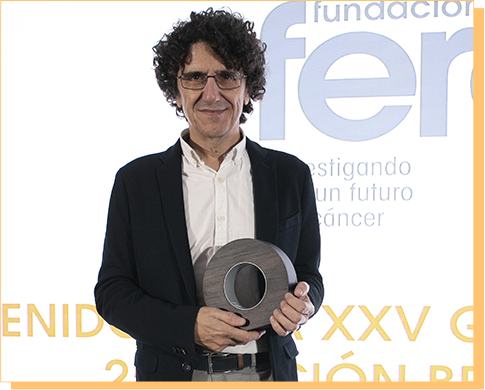
V FERO-GHD PROJECT - DR. MARIONA GRAUPERA. BARCELONA MAY 2023
- Dr. Mariona Graupera García-Milà from the Josep Carreras Institute of Barcelona.
- Project: "Identification of angiokines that promote bone metastasis in breast cancer."
- Grant: €80,000
Metastasis in breast cancer is the leading cause of mortality in the disease, and currently, there is no cure. The project led by Dr. Mariona Graupera aims to understand how cancer cells instruct normal cells around them to work to their advantage. They will use sequencing and 3D cell distribution techniques to identify secreted molecules. The KineMet project will study how blood vessels can facilitate breast cancer establishment in the bone and discover new therapeutic targets.
WITH THE CONTRIBUTION OF GHD

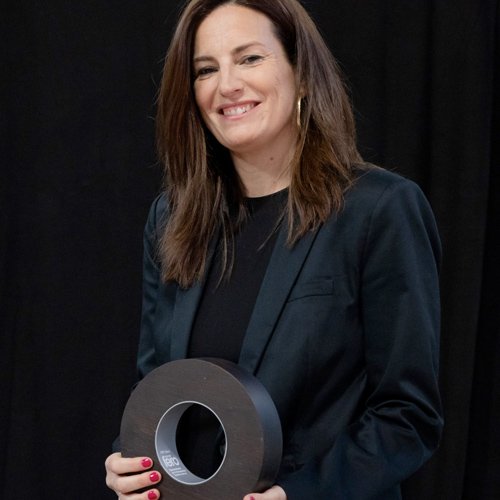
XXIV FERO GRANT - DR. JON ZUGAZAGOITIA. BARCELONA MAY 2023
- Dr. Jon Zugazagoitia Fraile from the 12 de Octubre Hospital in Madrid.
- Project: "Enhancement of the OX40L molecular target to increase the effectiveness of immunotherapy in lung cancer patients."
- Grant: €80,000
Many advanced lung cancer patients do not respond to available immunotherapies. With the funding from the XXIV FERO Grant, Dr. Juan Zugazagoitia will investigate whether modulating the levels of the OX40L protein, a new molecular target, can help improve the effectiveness of PD-1 axis blockade-based immunotherapy in lung cancer. They will use RNA technology to enhance OX40L and demonstrate its therapeutic capacity. The project's goal is to more effectively treat a greater number of lung cancer patients with new strategic immunotherapy treatments.
WITH THE CONTRIBUTION OF FUNDACIÓN BOSCH AYMERICH
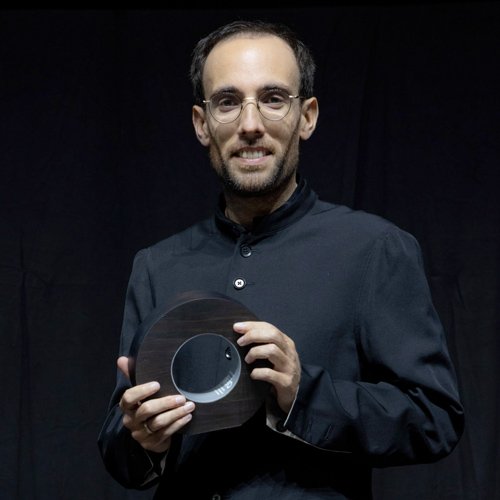
XXIV FERO GRANT - DR. FRANCISCO MARTÍNEZ-JIMÉNEZ. BARCELONA MAY 2023
- Dr. Francisco Martínez-Jiménez from the Vall d'Hebron Hospital Oncology Institute in Barcelona.
- Project: "Computational characterization of genetic markers reducing the therapeutic efficacy of immunotherapy."
- Grant: €80,000
Although immunotherapy has substantially improved the survival of many cancer patients, it is still not 100% effective, and many patients do not respond to treatment. With the funding obtained from the XXIV FERO Grant, Dr. Francisco Martínez-Jiménez will use computational analysis techniques to discover genetic biomarkers for early detection of patients for whom immunotherapy is not effective, thereby improving the quality and life expectancy of patients.
WITH THE CONTRIBUTION OF FUNDACIÓN RAMÓN ARECES
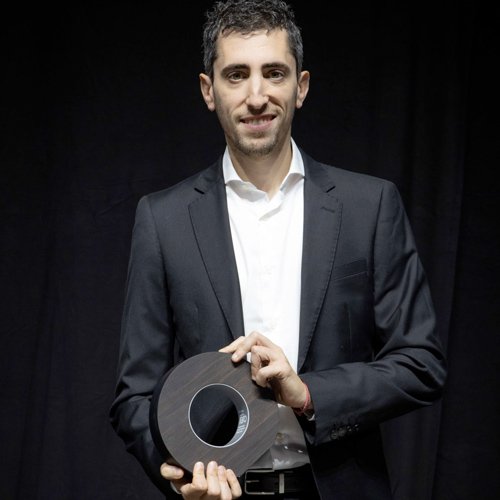
XXIII FERO GRANT - DR. JUAN MIGUEL CEJALVO. MADRID NOVEMBER 2022
- Dr. Juan Miguel Cejalvo from the Biomedical Research Institute INCLIVA.
- Project: "Study of the role of AXL in modulating the tumor microenvironment and its therapeutic potential in HER2-negative breast cancer."
- Grant: €80,000
The breast cancer research team at INCLIVA, led by Dr. Juan Miguel Cejalvo, aims to curb the growth and prevent the metastasis of HER2-positive breast cancer by blocking the AXL protein, a molecular target crucial for resistance to anti-HER2 therapies. With the funding obtained from the XXIII FERO Grant, they will conduct preclinical studies to demonstrate if AXL is indeed a key element in resistance to anti-HER2 therapies. These studies are essential for future clinical trials evaluating AXL inhibitors in breast cancer patients who currently have no curative options.
WITH THE CONTRIBUTION OF AN ANONYMOUS DONOR

XXIII FERO GRANT - DR. ALICIA GONZÁLEZ MARTÍN. MADRID, NOVEMBER 2022
- Dr. Alicia González Martín from the Alberto Sols Biomedical Research Institute of CSIC and UAM.
- Project: "Utilization of microRNAs for lung cancer immunotherapy."
- Grant: €80,000
Not all lung cancer patients, associated with the highest number of global deaths, respond in the same way to immunotherapy; moreover, the majority do not respond, or do so only mildly. Thanks to the XXII FERO Grant, the research group led by Dr. Alicia González Martín at the Alberto Sols Biomedical Research Institute of CSIC and UAM will carry out this research project with the aim of identifying molecular targets to enhance the effectiveness of immunotherapy in patients who respond only mildly. They have identified a microRNA whose abundance influences the immune system's ability to recognize and attack the tumor. With the funds from the FERO Grant, they will study the modulation mechanisms of this microRNA and conduct initial preclinical trials in mice to determine if increasing its abundance with a drug in development can improve the effectiveness of immunotherapy.
WITH THE CONTRIBUTION OF ANDBANK:

III FERO-ASEICA AID - DR. EDUARD PORTA. MADRID, NOVEMBER 2022
- Dr. Eduard Porta from the Josep Carreras Leukemia Research Institute.
- Project: "Mapping Cancer Hallmarks Activity to Predict the Success of Cancer Treatments."
- Grant: €80,000
The winning project of the III FERO-ASEICA Aid, led by Dr. Eduard Porta and his Oncological Immunogenomics group, aims to improve the effectiveness of oncological treatments for patients with muscle-invasive prostate cancer, the most aggressive type of prostate cancer. Their strategy is based on understanding the "Achilles' heels" of this type of cancer present in the ecosystem that nourishes and surrounds the tumor, predicting which patients will respond better to certain chemo- and immuno-therapies. Thanks to the III FERO-ASEICA Aid, they use cutting-edge technologies such as spatial transcriptomics and artificial intelligence to understand the cellular program of each component of the ecosystem, know where they are in relation to the tumor, and create algorithms to predict treatment effectiveness. This study will use samples from patients who participated in the DUTRENEO clinical trial, which took place in 10 Spanish centers and concluded that there is a great need to better classify this molecular type of cancer and use tools developed by Dr. Porta in this project.
AID CONCEIVED IN COLLABORATION WITH ASEICA:
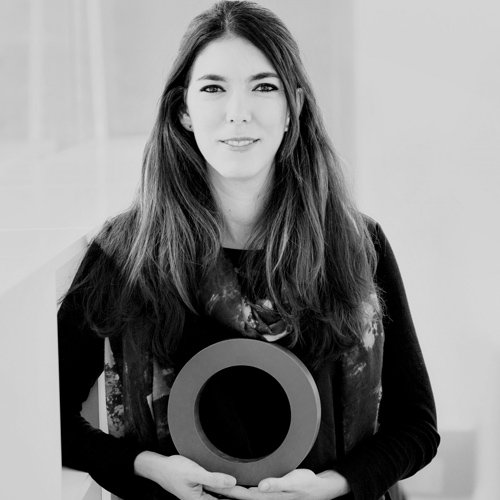
II FERO-ASEICA AID - DR. DIRENA ALONSO CURBELO. MADRID, NOVEMBER 2021
- Dr. Direna Alonso Curbelo, researcher at the Biomedical Research Institute of Barcelona (IRB)
- Project: "Interception of oncoinflammatory networks in pancreatic cancer."
- Grant: €80,000
Dr. Alonso Curbelo's project will identify new factors and processes resulting from the aberrant cooperation between oncogenic mutations (such as KRAS) and inflammation. This combination initiates and fuels pancreatic cancer, and the project seeks to better understand the mechanisms involved in the development of these tumors, characterize the factors leading to immunosuppression and the subsequent development of the tumor, and evaluate potential targets for treatment. The proposal aims to analyze the molecular, cellular, and tissue mechanisms by which oncogenic mutations and environmental signals (pancreatitis) drive and fuel Pancreatic Ductal Adenocarcinoma (PDAC), which is the fourth leading cause of cancer mortality in the EU, with a 5-year survival rate of less than 10%.
AID CONCEIVED IN COLLABORATION WITH ASEICA:
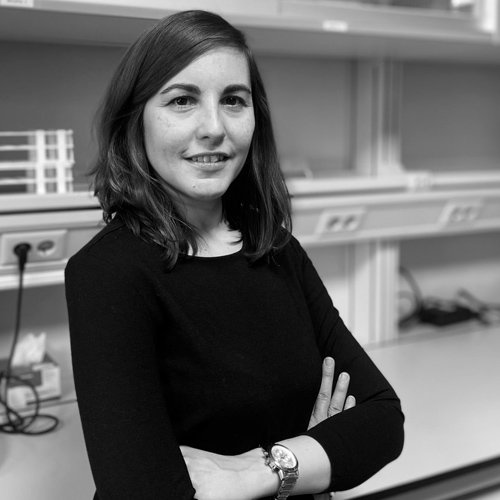
I FERO GRANT - BMS (HEMATO-ONCOLOGY) - DR. ANA ORTEGA-MOLINA. MADRID, NOVEMBER 2021
- Dr. Ana Ortega-Molina, researcher at the Severo Ochoa Molecular Biology Center (CSIC)
- Project: "Focusing on the unfolded protein response in high-grade B-cell lymphomas."
- Grant: €80,000
The goal of Dr. Ortega-Molina's project is to provide new strategies to treat aggressive high-grade B-cell lymphomas, which currently show limited response to standard therapies. Diffuse B-cell lymphoma is the most common malignant lymphoma. It is a heterogeneous group of tumors, some of which are fatal or have a very poor prognosis, and they do not respond to current treatments. The Unfolding Protein Response (UPR) is a cell survival pathway induced by the accumulation of misfolded or unfolded proteins. It is known that the regulation of this pathway is altered in some tumors, especially in aggressive B-cell lymphomas, but the consequences of these abnormalities are not well-characterized. The project aims to understand this signaling pathway to know the response in these lymphomas and elucidate vulnerabilities that could be used for the development of new therapeutic targets.
WITH THE CONTRIBUTION OF BRISTOL MYERS SQUIBB (BMS)

III FERO PROJECT - MANGO (BREAST CANCER) - DR. MANEL JUAN I OTERO. BARCELONA, NOVEMBER 2021
- Dr. Manel Juan i Otero, researcher at the Barcelona Clinic Hospital/IDIBAPS.
- Project: "Developing more personalized immunotherapy in breast cancer by tracking T-cell receptors infiltrated into the tumor (TILs)."
- Grant: €80,000
The purpose of Dr. Juan's project is to achieve personalized immunotherapy treatments that achieve better results and prevent relapses in the patient. The goal is to select more effective TILs (in vivo expanded T-cells) using their receptors (TCR), with the use of transduced T cells, to prevent relapses in the disease. The aim is to combine the power of TILs with personalized engineering of T cells to increase the chances of success in breast cancer patients. In addition to the benefit for the patient involved, T-cell products specific to this patient will be used, and naturally expanded TCRs will be obtained that could be used in other HLA-compatible patients (with the same human leukocyte antigen) who, for some reason, cannot undergo tumor biopsy or surgery.
WITH THE CONTRIBUTION OF MANGO

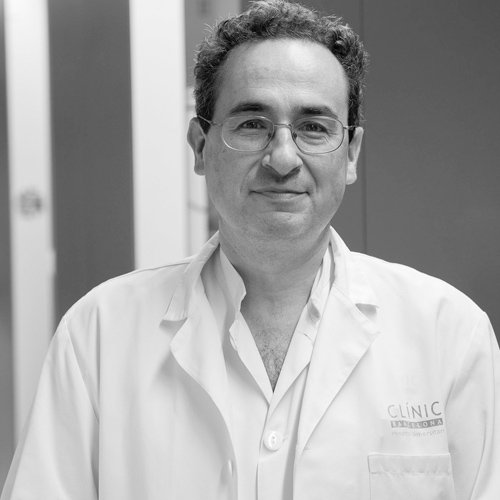
XXI FERO GRANT (BREAST CANCER) - DR. ALEIX PRAT APARICIO. BARCELONA, NOVEMBER 2021
- Dr. Aleix Prat Aparicio, researcher at the Barcelona Clinic Hospital/IDIBAPS.
- Project: "Identification of immunotherapy response biomarkers in hormone receptor-positive/HER breast cancer."
- Grant: €80,000
His project aims to identify, through genomics and liquid biopsy, which hormone receptor-positive breast cancer patients benefit from immunotherapy in combination with chemotherapy. The results will allow the implementation of effective therapies tailored to each subtype of breast cancer.
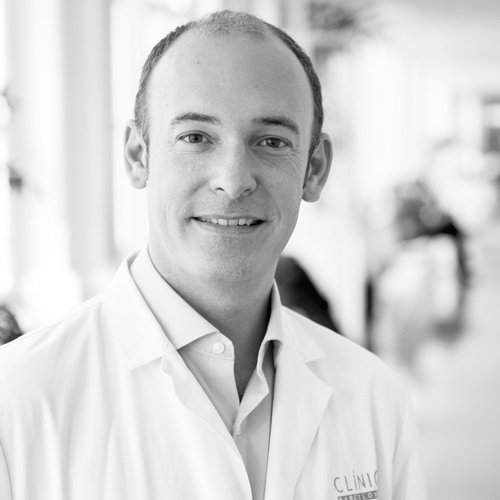
XXI FERO GRANT - DR. BERTA CASAR MARTÍNEZ. BARCELONA, NOVEMBER 2021
- Dr. Berta Casar Martínez, researcher at the Institute of Biomedicine and Biotechnology of Cantabria.
- Project: "Development of a therapeutic response marker for metastatic melanoma."
- Grant: €80,000
Her project aims to establish a new predictive biomarker for treatment response in melanoma. The goal is to develop a new diagnostic kit capable of predicting the onset of resistance to conventional treatments in melanoma. The clinical use of this biomarker will enable better stratification and personalized treatment for melanoma patients. By developing this new biomarker, it will be possible to identify tumors that are susceptible to treatment. Consequently, patients can benefit from more effective treatment according to their tumor and avoid unnecessary adverse effects.
WITH THE CONTRIBUTION OF ANDBANK:
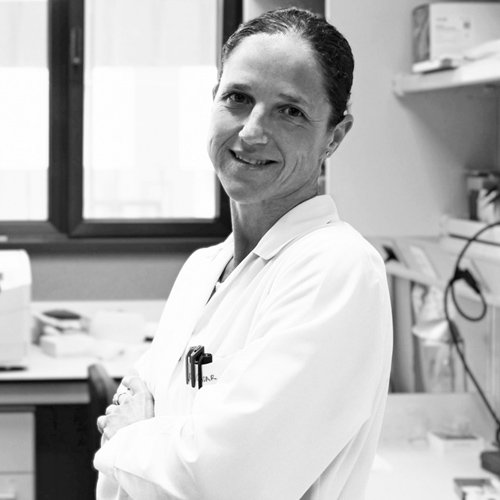
XX FERO GRANT - DR. VERÓNICA TORRANO. BASQUE COUNTRY, MAY 2021
- Dr. Verónica Torrano, from the University of the Basque Country.
- Project: "Focusing on the PGC1α-driven transcription landscape for personalized therapy of prostate cancer."
- Grant: €80,000
Her research focuses on understanding the genetic and biological actions of an aggravated form of prostate cancer linked to the loss of the transcription regulator PGC1α. This oncogenic transcription regulator can restrain tumor growth, reducing its aggressiveness and enhancing the natural immune response. The project's goal is to understand how PGC1α acts, discover aggressiveness traits in patients affected by this type of tumor based on the antitumor function of PGC1α, and develop new therapies that, in combination with oncogene inhibitor treatments, enhance this immune response.
WITH THE CONTRIBUTION OF THE BOSCH AYMERICH FOUNDATION
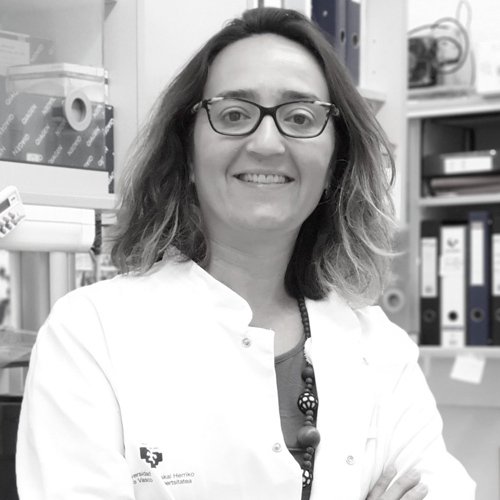
XX FERO GRANT - DR. NICOLÁS HERRANZ. BARCELONA, MAY 2021
- Dr. Nicolás Herranz, from the Vall d'Hebron Institute of Oncology (VHIO).
- Project: "Harnessing therapy-induced senescence in a synthetic lethal approach to treating advanced prostate cancer."
- Grant: €80,000
His research aims to establish new therapeutic strategies for patients with advanced prostate cancer based on the ability of some current therapies to induce senescence in cancer cells (the process of aging cells until they stop dividing, but without dying). The conversion of tumor cells into senescent cells is initially beneficial for patients because, although they remain alive, they are unable to proliferate. However, it is known that if these senescent cells persist over time, they can eventually favor the development of therapy resistance and tumor regrowth. The project's goal is to find new drugs or combinations that neutralize senescent cells and thus prevent therapy resistance in the context of prostate cancer.
WITH THE CONTRIBUTION OF THE RAMÓN ARECES FOUNDATION
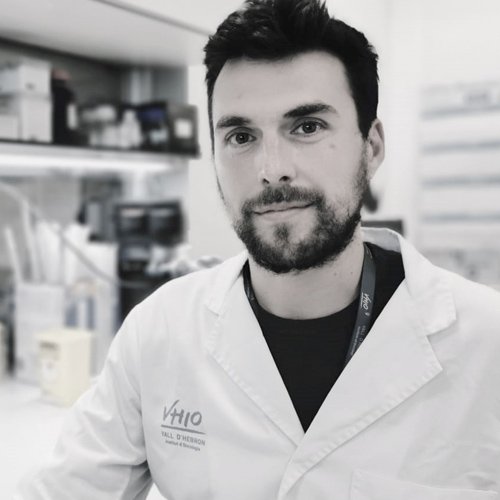
III FERO PROJECT - GHD. DR. VERÓNICA RODILLA. BARCELONA, MAY 2021
- Dr. Verónica Rodilla, researcher at the Josep Carreras Research Institute.
- Project: "Understanding tumor heterogeneity for better diagnosis and treatment selection for breast cancer."
- Grant: €80,000
Her project focuses on applying personalized medicine to the research of two very specific types of breast cancer: the so-called "triple-negative" due to its high aggressiveness, and "luminal breast cancer," which has lower aggressiveness but is one of the most common in Spain. The intention is to identify reliable biomarkers for three types of mammary epithelial cells, allowing more accurate tumor subclassification and defining which cells respond better to current treatments and which are more prone to metastasis formation, so that, based on this, more patients with these subtypes of cancer can be considered 'eligible' for targeted therapy administration.
WITH THE CONTRIBUTION OF GHD

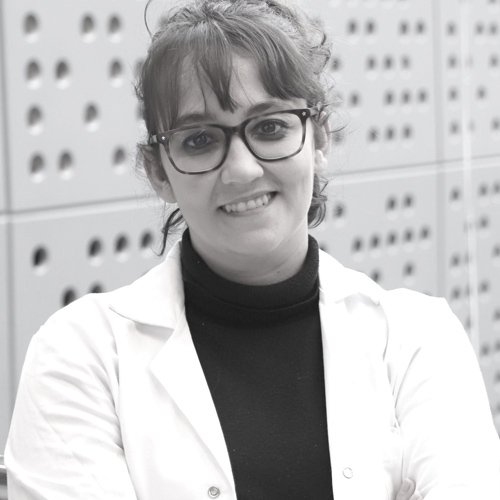
I FERO-ASEICA AID - DR. CRISTINA MAYOR-RUIZ. SANTIAGO DE COMPOSTELA, NOVEMBER 2020
- Dr. Cristina Mayor-Ruiz, researcher at the Biomedical Research Institute of Barcelona (IRB).
- Project: "Targeted Protein Degradation: innovation in drug discovery for cancer treatment."
- Grant: €80,000
The research project has won the prize thanks to its innovation in the search for new cancer treatments. Until now, the development of cancer drugs has focused on finding inhibitors to block proteins with accessible cavities, treatments that left out the rest of the cell's proteins. The IRB Barcelona project aims to break down this barrier and investigate new transformative paradigms in drug development through targeted protein degradation (TPD).
AID CONCEIVED IN COLLABORATION WITH ASEICA:
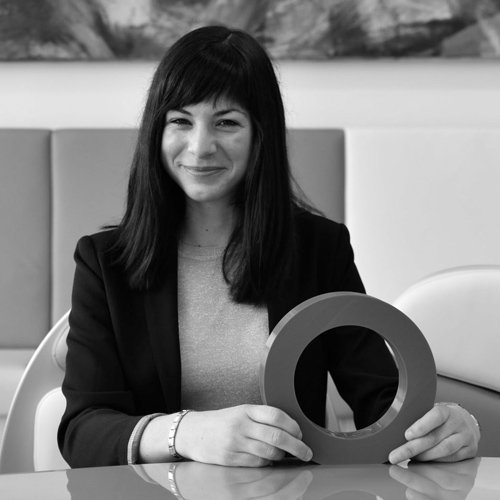
XIX FERO GRANT - DR. LAURA BELVER. MADRID, OCTOBER 2020
- Dr. Laura Belver, researcher at the Josep Carreras Institute.
- Project: "Molecular Pathways and Targeted Therapies in Juvenile Myelomonocytic Leukemia."
- Grant: €80,000
The project works to develop targeted therapies to reverse the activity of the SHP2 protein. This protein is encoded by the PTPN11 gene, where the most common genetic alteration in Juvenile Myelomonocytic Leukemia, a type of hematologic cancer that mainly affects children under two years of age, occurs. Approximately 40% of patients have mutations in the PTPN11 gene, which are also associated with the most aggressive forms of the disease, to the point that only one in four children with this genetic alteration survives. Currently, there are no specific therapies for treating these patients. Therefore, the main objective of our research is to develop new therapeutic strategies specifically designed for children affected by this type of leukemia.
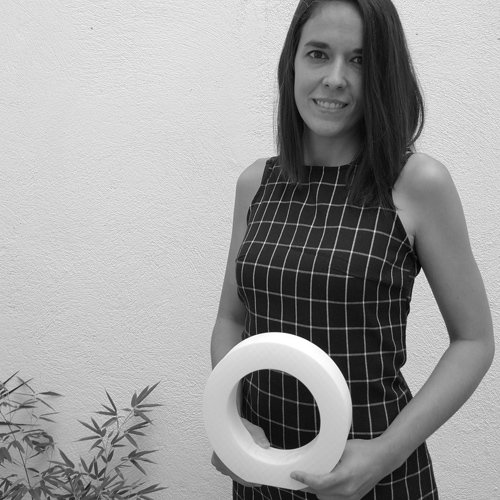
XIX GRANT FERO. DR. ESTEBAN VEIGA CHACÓN. MADRID OCTOBER 2020
- Dr. Esteban Veiga Chacón, investigador del Centro Nacional de Biotecnología, perteneciente al Consejo Superior de Investigaciones Científicas (CNB-CSIC)
- Proyecto: “Next generation of cancer immunotherapies based in bacteria-trained lymphocytes”
- Dotación: 80.000€
Este proyecto se centra en consolidar los datos obtenidos sobre la eficacia de las células bacT (linfocitos entrenados con bacterias) utilizadas como inmunoterapia novedosa para combatir tumores, centrándose concretamente en el cáncer de mama. Si se consigue reactivar las células CAR-T, sería un gran paso hacia nuevas terapias para tumores sólidos, un campo donde esta técnica no ha dado buenos resultados por ahora. Además, el proyecto pretende generar nuevos algoritmos para la identificación de los neoantígenos tumorales (identificadores que colgaríamos de las bacterias para que permitan a nuestro sistema inmunitario reconocer las células cancerígenas), uno de los mayores retos de la inmunoterapia tumoral.
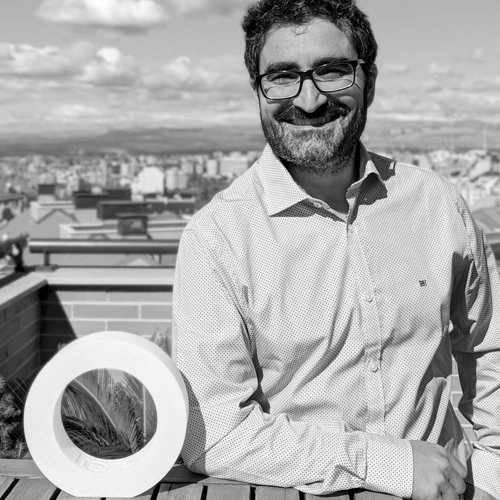
II FERO-MANGO RESEARCH PROJECT ON BREAST CANCER. DR. ANTONI CELIÀ-TERRASSA. MADRID, OCTOBER 2020
- Dr. Antoni Celià-Terrassa, researcher at the Hospital del Mar Medical Research Institute (IMIM).
- Project: "Dual-wire therapy targeting metastasis-initiating cells and immune cells."
- Grant: €80,000
The research is specialized in studying Metastasis-Initiating Cells (MICs). The objective is to use advanced imaging technology, RNA sequencing, and computational biology to analyze how a patient's metastasis evolves, thanks to blocking a co-inhibitory receptor of immune cells that can influence its pro-metastatic function and immune resistance.
FUNDED BY MANGO
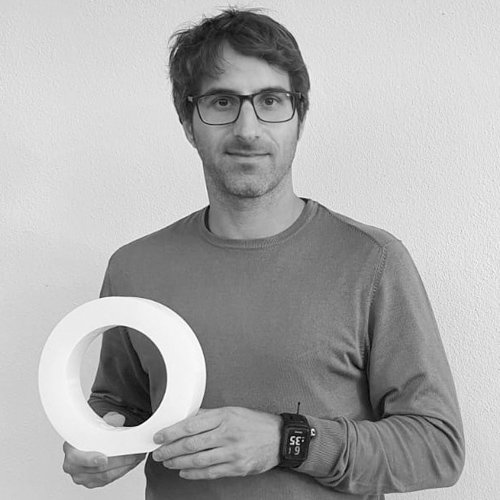
XVIII FERO GRANT. DR. ANTONIA TOMAS-LOBA. BARCELONA, MAY 2020
- Dr. Antonia Tomas-Loba, researcher at the University of Murcia.
- Project: "Circadian Rhythm, Liver Cancer, and Beyond."
- Grant: €80,000
The research seeks to better understand the origin of liver cancer by investigating the molecular relationship between circadian rhythm disruption and the onset of liver cancer. Liver cancer is the 3rd leading cause of cancer death worldwide, and its incidence is estimated to increase by 62% by 2040. The causes are closely related to our lifestyle and the constant disruption of natural cycles such as circadian rhythms (declared a carcinogenic agent by the WHO and IARC).
FUNDED BY THE BOSCH I AYMERICH FOUNDATION:
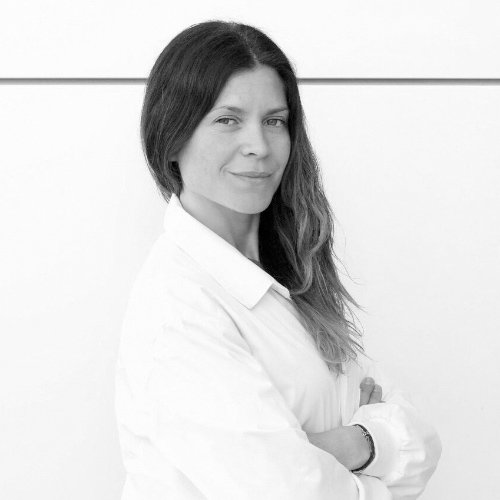
XVIII GRANT FERO. DRA. RAQUEL PÉREZ-LÓPEZ. BARCELONA MAY 2020
- Dra. Raquel Pérez-López, investigadora del Vall d’Hebron Instituto de Oncología (VHIO)
- Proyecto: “Unravelling the tumor immunophenotype with deep-learning radiogenomics”
- Dotación: 80.000€
La investigación pretende desarrollar un algoritmo que, mediante inteligencia artificial, correlacione la imagen del TAC sobre las características del tumor, con el perfil inmunitario del paciente y la respuesta a inmunoterapia. Todo ello, para que en un futuro sólo aplicando este algoritmo se pueda personalizar más eficazmente el tratamiento para cada paciente, seleccionando los pacientes que se beneficiarán de inmunoterapia e identificando antes y mejor si el paciente está respondiendo o no a la misma.
FINANCIADO GRACIAS A:
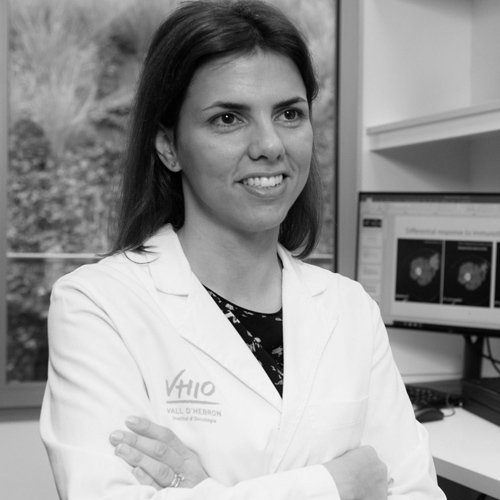
II FERO-GHD RESEARCH PROJECT ON BREAST CANCER. DR. CRISTINA SAURA AND DR. MIRIAM SANSÓ. BARCELONA, MAY 2020
- Dr. Cristina Saura and Dr. Miriam Sansó, researchers at the Vall d’Hebron Institute of Oncology (VHIO).
- Project: "ctDNA in breast milk for the early detection of pregnancy-associated breast cancer."
- Grant: €80,000
In the research, they propose an innovative use of liquid biopsy in breast milk. The goal is to validate the use of breast milk for the early detection of pregnancy-associated breast cancer to contribute to improving its current prognosis. The diagnosis of breast cancer during pregnancy and postpartum is hindered by the changes the breast undergoes during gestation and the limitations in performing imaging tests to protect the fetus during this period. With the aim of diagnosing these tumors in curable stages, this project is based on the detection of ctDNA derived from the tumor and identified in breast milk.
FUNDED BY GHD:
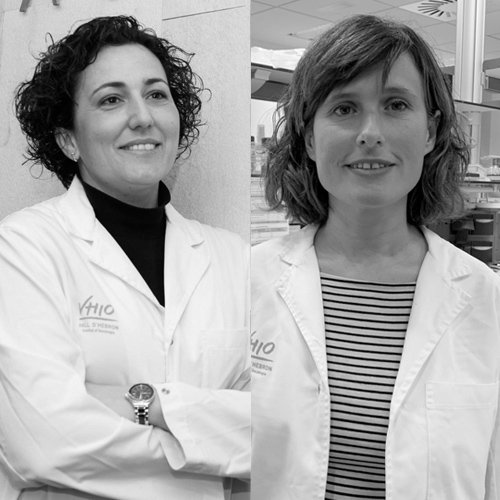
XVII FERO GRANT. DR. PRISCILA KOSAKA. MADRID, NOVEMBER 2019
- Dr. Priscila Monteiro Kosaka, researcher at CSIC.
- Project: "New devices at the frontier of nano-mechanics and nano-optics for the detection of next-generation lung cancer biomarkers through blood analysis."
- Grant: €80,000
The research aims to develop new technology for the identification of biomarkers that allow the early detection and treatment of lung cancer through blood analysis. The study focuses on the development of a hybrid technology that combines two powerful nanotechnologies, nano-mechanics, and nano-optics, for the detection of fusion proteins responsible for the development and growth of cancer. Currently, the detection of these types of proteins, found in very low concentrations, is only possible through a biopsy, an invasive procedure that cannot be used in advanced stages of the disease. The project aims to develop highly sensitive technology that allows the identification of fusion proteins through a simple blood analysis, with the goal of establishing biomarkers that enable the diagnosis and treatment of lung cancer more effectively.

I FERO-MANGO RESEARCH PROJECT ON BREAST CANCER. DR. ROGER GOMIS. MADRID, NOVEMBER 2019
- Dr. Roger Gomis, professor at ICREA at the Institute for Research in Biomedicine (IRB) in Barcelona.
- Project: "Identification of the pro-metastatic properties of luminal breast cancer fibroblasts derived from MSC cells."
- Grant: €80,000
The research focuses on the study of luminal breast cancer, one of the most common subtypes of breast cancer, in which metastases are mainly observed in the bone. This type of cancer can produce metastases after long disease-free periods, causing death in a short period. In recent years, a possible interaction has been observed between tumor cells that produce metastasis for this type of cancer and fibroblasts derived from MSC cells located in the bone. These interactions have effects on the tumor and may be behind metastatic relapse and condition the disease's response to systematic therapies. The project aims to study these interactions to understand them, establish therapeutic targets, and limit these cells' ability to produce metastases.
FUNDED BY MANGO:
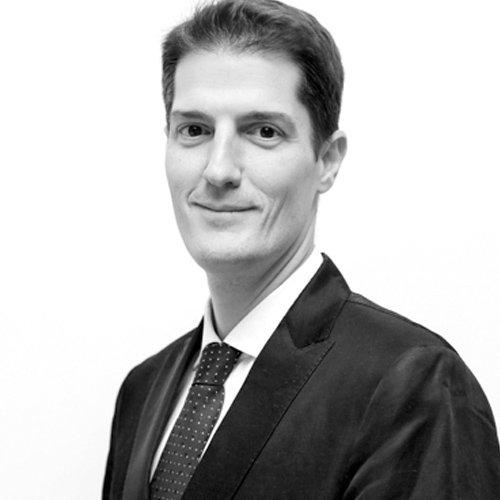
XVI FERO GRANT. DR. ASÍS PALAZÓN. BARCELONA, MAY 2019
- Dr. Asís Palazón, researcher at CIC bioGUNE in Bilbao.
- Project: "Focusing on the epigenome of the immune system for the next generation of Immuno-oncology."
- Grant: €80,000
Although immunotherapy represents the most promising treatment against cancer since the development of the first chemotherapies, currently available techniques are only effective in a group of patients, and several combinatorial approaches have recently failed in the clinic. Therefore, it is essential to find new targets that help improve the current effectiveness of immunotherapy treatments.
The awarded study focuses on discovering new aberrant epigenetic modifications that prevent the proper formation of long-lived memory cytotoxic T cells—immune cells in the tumor microenvironment (TME) capable of destroying cancer cells—and, with this, precipitate their exhaustion. From the finding of these alterations in the normal functioning of cytotoxic T cells, which could be related to a deficient supply of the oxygen they need to perform their mission, researchers intend to discover mechanisms capable of rejuvenating exhausted T cells in the TME, opening the way to new therapeutic targets that contribute to improving the effectiveness of immunotherapy.
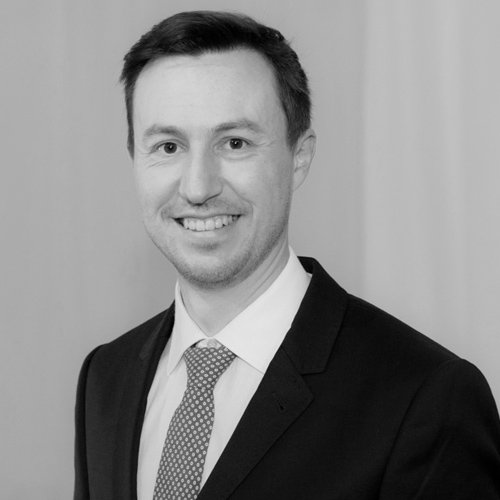
XVI FERO GRANT. DR. JOAQUÍN MATEO. BARCELONA, MAY 2019
- Dr. Joaquín Mateo, researcher at the Vall d’Hebron Institute of Oncology (VHIO).
- Project: "New approaches to liquid biopsy in prostate cancer to inform precision medicine."
- Grant: €80,000
The project focuses on discovering if a liquid biopsy analysis that integrates circulating tumor cells (CTCs), circulating tumor DNA (ctDNA), and tumor exosome DNA (exoDNA) is effective as a non-invasive prognostic and predictive method in prostate cancer. With this research, the aim is to contribute to improving clinical outcomes in patients through more precise and personalized care based on the study of prostate cancer evolution through non-invasive analysis—plasma samples collected before and during treatment—overcoming the limitations that obtaining repeated tumor biopsies would entail to determine the tumor's evolution in each affected individual.
FUNDED BY THE RAMÓN ARECES FOUNDATION:
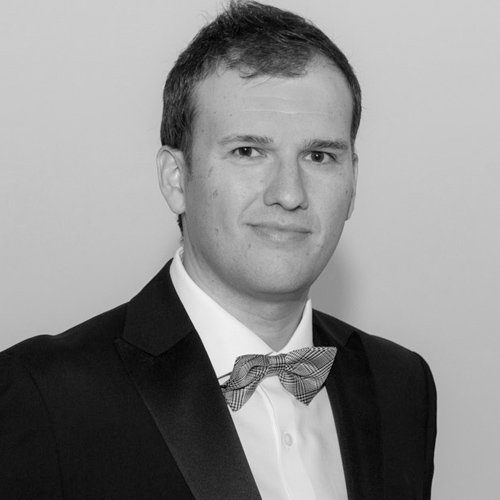
I FERO-GHD RESEARCH PROJECT ON BREAST CANCER. DR. VIOLETA SERRA AND DR. JUDITH BALMAÑA. BARCELONA, MAY 2019
- Drs. Violeta Serra and Judith Balmaña at the Vall d’Hebron Institute of Oncology (VHIO).
- Project: "Development of a liquid biopsy test to determine the functional status of homologous recombination in BRCA1/2 mutation carriers in breast cancer to aid in therapy selection."
- Grant: €80,000
The project aims to verify if liquid biopsy is useful to optimize a test that identifies the most sensitive tumors and monitors treatment response in breast cancer patients carrying a mutation in the BRCA1/2 genes. Tumors with a mutation in these genes do not adequately repair certain DNA errors, and therefore, they are extremely sensitive to a type of targeted therapy with poly (ADP-ribose) polymerase inhibitors (PARPi). However, when the tumor evolves, it can lose this sensitivity. In fact, it has been observed that 40% of metastatic tumors show intrinsic resistance, and most sensitive tumors eventually progress. The research aims to develop a sensitivity test that can be used in liquid biopsies. With this achievement, it would be possible to monitor treatment responses longitudinally and less invasively than tumor biopsies. This will result in prescribing the most beneficial treatments for each patient and reducing the indication of those that would be ineffective.
FUNDED BY GHD:
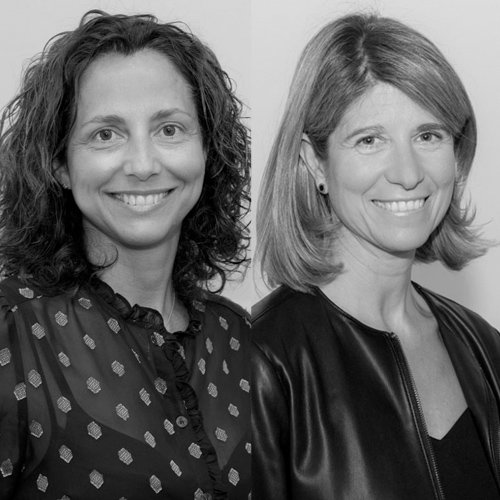
XV FERO GRANT. DR. BRUNO SAINZ. MADRID, DECEMBER 2018
- Dr. Bruno Sainz, from the Institute of Biomedical Research at the Autonomous University of Madrid (UAM).
- Project: "Combating pancreatic cancer by identifying genes essential for cancer stem cell-induced tumorigenicity."
- Grant: €80,000
Cancer stem cells (CSC) are crucial for tumorigenesis, metastasis, and therapeutic resistance. The project aims to achieve three objectives: identify genes responsible for the self-renewal and tumorigenesis of pancreatic CSC, validate candidate genes in in vivo and in vitro models, and test the clinical relevance of altering key candidate genes (pharmacologically or genetically) in combination with other targets in preclinical mouse models with pancreatic ductal adenocarcinoma (PDAC). The study is conducted through a sophisticated genetic approach focused on identifying the set of key genes that dictate the state of CSC, with the goal of facilitating the development of personalized therapies against CSC. The results are expected to have a truly significant impact on a socio-economic level, considering that PDAC is the most lethal of all solid tumors and currently lacks effective treatments.

XV FERO GRANT. DR. ALEJO EFEYAN. MADRID, DECEMBER 2018
- Dr. Alejo Efeyan, researcher at the National Center for Oncological Research (CNIO).
- Project: "Exploring dependencies in signaling and metabolism of B cell lymphocytes."
- Grant: €80,000
While it is known that tumors require high levels of nutrients, it is unknown which tumor needs which nutrient. This research aims to generate this knowledge to develop new treatments based on two complementary therapeutic strategies: selectively suppress the nutrients that tumors need to weaken them and, at the same time, prevent tumors from sensing the lack of these nutrients to prevent them from turning on and off genes that allow them to adapt and survive in conditions of nutrient fluctuations. Mutations in genes have been identified in mouse lymphomas that tell the tumor cell that certain nutrients are very high. These mutations make the tumor cell think it has enormous amounts of amino acids, causing it to grow and multiply. It has been observed that these mutations accelerate the onset of lymphoma. By blocking the cellular pathway that connects nutrient detection with cell multiplication with a drug, it is observed that the presence of these mutations makes tumor cells vulnerable. The next step is to see if this weakness also exists in human lymphomas.
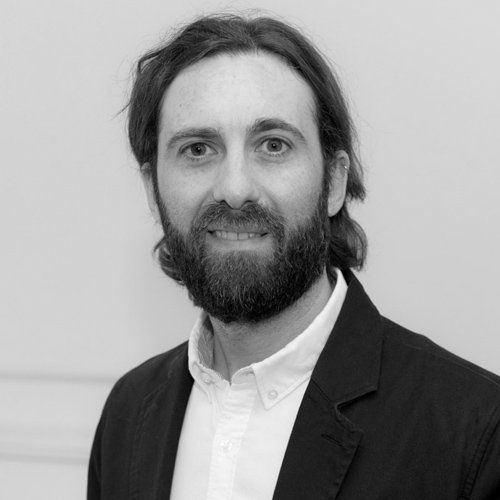
XIV FERO GRANT. DR. BERTA L. SÁNCHEZ-LAORDEN. BARCELONA, MAY 2018
- Dr. Berta L. Sánchez-Laorden, Unit of Developmental Neurobiology at the Institute of Neuroscience of Alicante, a joint CSIC-UMH center.
- Project: "Identifying new therapeutic approaches for the brain metastasis of melanoma."
- Grant: €80,000
Many melanoma patients develop metastases in the brain, significantly reducing their life expectancy. This project aims to discover vulnerable points in brain metastases of melanoma that can be targeted, proposing new treatments that are more effective. The study establishes preclinical models of brain metastases of melanoma to understand their biology and the evolution of the immune component of the brain during the progression of metastases and in response to treatments. Efforts focus on characterizing the interaction between different components of the immune system with melanoma cells in the brain and finding out if blocking this communication can reduce the progression of brain metastases and improve the response to therapies.
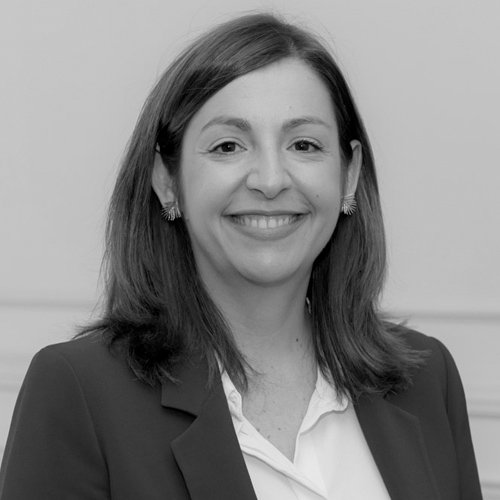
XIV FERO GRANT. DR. ALENA GROS. BARCELONA, MAY 2018
- Dr. Alena Gros, Principal Investigator of the Immunotherapy and Tumor Immunology Group at the Vall d'Hebron Institute of Oncology (VHIO), Barcelona.
- Project: "Non-invasive and personalized T-cell therapy targeting recurrent target mutations."
- Grant: €80,000
Cancer immunotherapy leverages the immune system, which protects us from infections and other diseases, to attack cancer. T lymphocytes are capable of recognizing and eliminating the tumor with exquisite specificity by recognizing mutated tumor proteins as a result of the accumulation of genetic alterations during tumor development. These lymphocytes, called neoantigen-specific, play an important role in the effectiveness of immunotherapy. Given their ability to attack and eliminate the tumor in a highly specific way, the project aims to develop personalized cellular therapies based on the administration of large numbers of T lymphocytes specific to neoantigens. To do this, the presence of T lymphocytes that recognize mutated peptides derived from proteins frequently mutated in cancer, such as KRAS, will be studied in cancer patients. Once identified, the T cell receptor responsible for conferring antitumor specificity to the lymphocyte will be isolated. This receptor will be cloned and introduced into a viral vector to induce receptor expression in peripheral blood lymphocytes. In this way, an army of T lymphocytes capable of recognizing a specific tumor mutation will be generated. The isolation of several receptors specific to proteins frequently mutated in cancer will allow the development of cellular therapies to treat patients with metastatic disease who have no therapeutic alternatives.
FUNDED BY FUNDACIÓN RAMÓN ARECES:
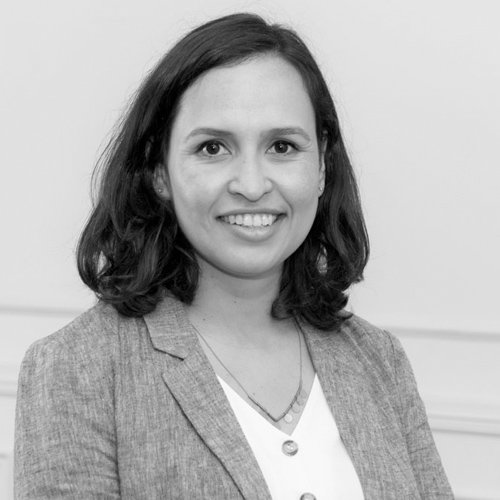
XIII FERO GRANT. DR. ALBERTO JIMÉNEZ SCHUMACHER. MADRID, DECEMBER 2017
- Dr. Alberto Jiménez Schuhmacher, Head of the Molecular Oncology Group at the Institute of Health Research of Aragon (IIS Aragon), Zaragoza.
- Project: "Virtual biopsy: development of non-invasive immunotargeted imaging agents for the diagnosis of glioblastoma."
- Grant: €70,000
Biomedical images are photos that help doctors make decisions (X-rays, ultrasounds, sonograms). Positron emission tomography (PET) is a technique that allows taking 3D pictures by detecting physical particles called positrons. Currently, there are still few things with positrons that can be detected with PET, mainly a sugar that emits positrons (FDG). Tumor cells capture more sugar, allowing the detection of small tumors and small metastases. However, PET for brain tumors is very limited and ineffective because our brain consumes a lot of sugar. The survival of glioblastoma, the most lethal brain tumor, barely reaches 15 months, and taking an intracranial biopsy to confirm the diagnosis carries many risks and, moreover, is not sufficient because these tumors are highly heterogeneous, mosaic. The project aims to take better pictures with PET to detect and obtain information from these brain tumors. It would be a "virtual biopsy" where the same information would be obtained as from various biopsies but through non-invasive imaging tests. With this technique, it would be possible to obtain information about the anatomy, geography of the tumor, its degree, and its response to possible treatments.
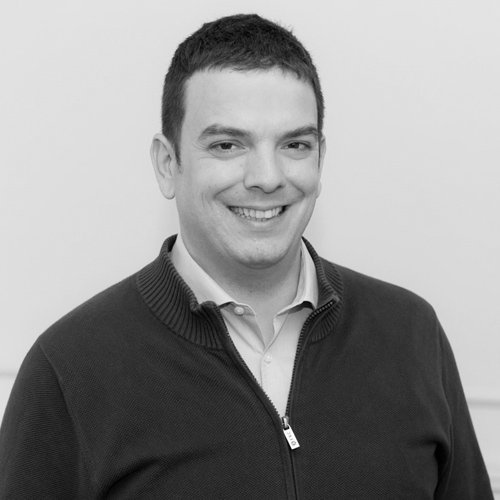
XII FERO GRANT. DR. CLARA BUENO. BARCELONA, MAY 2017
- Dr. Clara Bueno, Researcher at the Josep Carreras Leukemia Research Institute.
- Project: "Adoptive immunotherapy with CAR-NG2 T cells for acute leukemia with MLL rearrangement."
- Grant: €70,000
Acute lymphoblastic leukemias of lymphoid (ALL) and myeloid (AML) origin in relapse or refractory to treatment are challenging to treat. However, there has been a therapeutic revolution in the last three years with the application of CAR-T cell therapy. The transfer of CAR-T cells directed against a specific tumor cell surface molecule is an interesting new approach for cancer immunotherapy.
This project conducted preclinical trials to demonstrate the efficacy of CAR-T cells in treating AML with MLL rearrangements. For infant ALL, the NG2 antigen was successfully blocked, and the team has filed a European patent on the therapeutic use of this antigen. Finally, a strategy is being developed using CAR-T cells to prevent relapse in ALL patients.
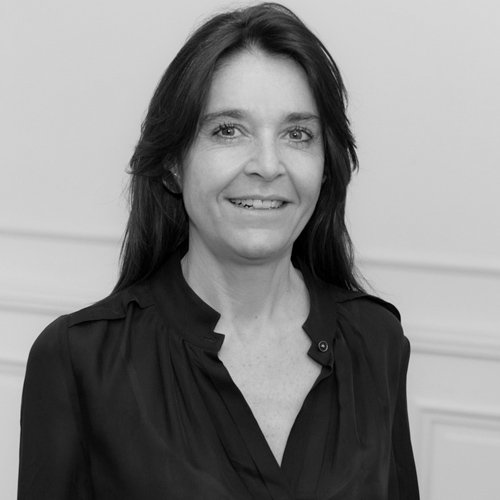
XII FERO GRANT. DR. MARÍA ABAD. BARCELONA, MAY 2017
- Dr. María Abad, Researcher at the Cellular Plasticity and Cancer Group at VHIO (Vall d'Hebron Institute of Oncology, Barcelona).
- Project: "Identification of new microparticles involved in pancreatic cancer: new players for new therapies."
- Grant: €70,000
There is a great interest in understanding how to deactivate cellular plasticity (the ability of tumor cells to transform and change their properties). This project focuses on pancreatic cancer, one of the most lethal tumors, aiming to identify new key microparticles in plasticity and tumor progression. Microparticles are small proteins that have gone unnoticed until now but are believed to play a significant role in cancer. The project aims to increase knowledge about pancreatic cancer, understand why current therapies fail, and discover new microparticles that could lead to the development of novel anti-tumor therapies.
So far, five new microparticles have been identified, demonstrating tumor-suppressive functions, inducing the death of tumor cells, stopping their division, or preventing them from invading other tissues.

XI FERO GRANT. DR. HÉCTOR PEINADO. MADRID, NOVEMBER 2016
- Dr. Héctor Peinado, Head of the National Center for Oncological Research (CNIO).
- Project: "Liquid biopsy in exosomes: predicting the response to (immuno and radio) therapies."
- Grant: €70,000
Fifty percent of melanoma patients experience a relapse, and currently, there are no prognostic markers to identify those at risk. This study focuses on developing methods to identify residual disease after surgery in melanoma patients who could benefit from early diagnosis and specific therapies.
The project is based on using liquid biopsy (similar to a blood test) for the prognosis of melanoma patients. Circulating vesicles and DNA in the plasma and lymphatic fluid of melanoma patients are used to obtain molecular signatures associated with disease progression and improve its treatment. This approach serves as a real-time liquid biopsy when the patient is discharged after surgery to remove lymph nodes (known as lymphadenectomy).
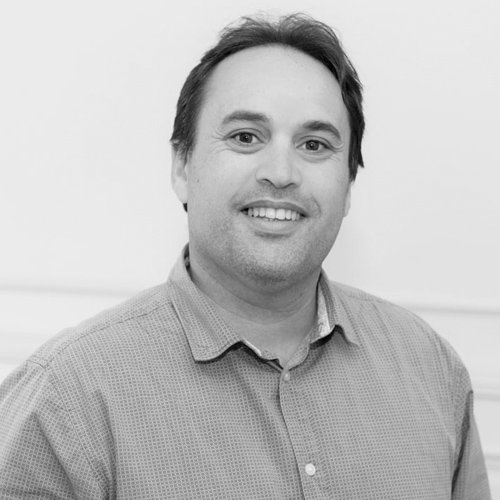
X FERO GRANT. DR. BEATRIZ MORANCHO. BARCELONA, MAY 2016
- Dr. Beatriz Morancho, Cancer researcher, cellular and molecular biologist working in the laboratory of Dr. Joaquín Arribas at VHIO (Vall d’Hebron Institute of Oncology, Barcelona).
- Project: "Immunotherapy to treat breast and colorectal cancer."
- Grant: €70,000
The immune system can recognize and eliminate tumor cells, although some can evade this recognition and survive. One of the most promising strategies in developing new anti-cancer therapies is enhancing this recognition by creating physical contacts between immune cells and cancer cells to facilitate the death of the latter, using bispecific antibodies (TCBs).
The project aimed to identify biomarkers of sensitivity and resistance to two bispecific antibodies, one recognizing p95HER2 and another CEA, focusing on breast and colon cancer, respectively. It was demonstrated that p95HER2-TCB has a potent antitumor effect, defining which patients could benefit from this treatment, currently in the preclinical phase. Additionally, by not expressing p95HER2 in normal tissues, one of the main drawbacks of these therapies, recognizing the target outside of the tumor tissue, is avoided.
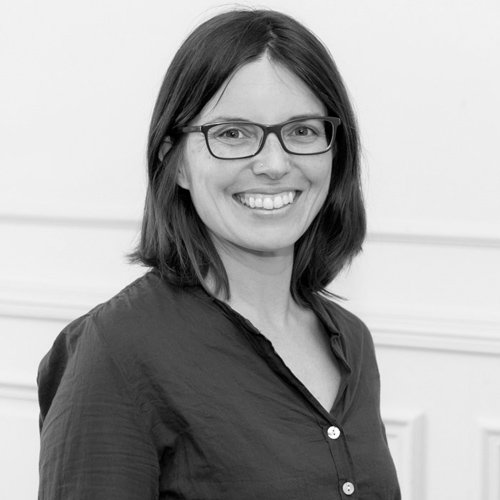
IX FERO GRANT. DR. MANUEL VALIENTE. MADRID, OCTOBER 2015
- Dr. Manuel Valiente, Head of Group at the National Center for Oncological Research (CNIO).
- Project: "Research on brain metastasis caused by lung cancer."
- Grant: €70,000
Small-cell lung cancer has a very high tendency to metastasize to the brain. Treatments available for cases of brain metastasis caused by lung cancer are limited and have modest benefits for the patient. This research studied the biology of the colonization of this organ with the aim of developing new treatments for brain metastasis.
The project involved developing a new model of small-cell lung cancer to study the metastasis generation process from the induction of the primary tumor. The model achieved is pioneering and is currently a fundamental tool in the laboratory, used in many other projects, including the characterization of new inhibitors against metastasis, determination of molecular mechanisms necessary for adaptation and growth in the brain, and the design and characterization of new biomarkers compatible with non-invasive biopsies to evaluate both the incidence of brain metastasis and its response to therapy.
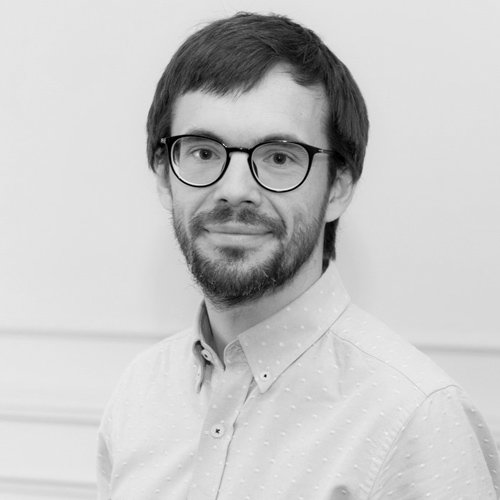
VIII FERO GRANT. DR. CÉSAR CERRANO. BARCELONA, MAY 2015
- Dr. César Serrano, Head of Translational Research Area in Sarcomas at VHIO (Vall d’Hebron Institute of Oncology, Barcelona).
- Project: "New strategies against tumor heterogeneity in gastrointestinal stromal tumors: early detection of therapy-resistant subpopulations by targeted therapy rotation."
- Grant: €70,000
Tumors do not have the same type of alterations distributed homogeneously. This means that a single tumor sample may not be representative of what is happening in the patient. Additionally, a single drug may not be completely effective against the wide variety of mechanisms contributing to tumor growth. Instead, all tumors release their genetic material into the blood, known as circulating tumor DNA. The objective of this project was to develop liquid biopsy as a method to guide specific treatments in cancer.
Through this technology, blood samples from patients with gastrointestinal stromal tumors (GIST) were analyzed for alterations in circulating tumor DNA to identify in real-time which part of the tumor is causing problems for the patient and to administer targeted therapies at the right time. The study of circulating tumor DNA (ctDNA) in blood samples is a step closer to personalized medicine in cancer.
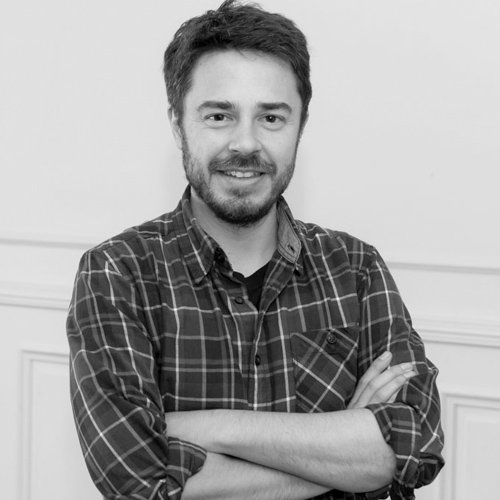
VII FERO GRANT. DR. ARKAITZ CARRACEDO. MADRID, OCTOBER 2014
- Dr. Arkaitz Carracedo, Head of the Molecular Oncology Program at CIC bioGUNE in the Basque Country.
- Project: "Exploration of new targets in aggravated breast cancer."
- Grant: €70,000
This research focused on understanding the functioning of the most aggressive subtype of breast cancer to obtain crucial information for addressing this issue. As a result, a molecular marker was identified in this type of tumor that provides information about its aggressiveness and dissemination capacity. Inhibiting this marker was shown to cause aggressive breast cancer cells to lose the ability to metastasize. These results represent progress in an international strategy to individualize treatments based on the molecular characteristics of cancer (the tumor's barcode). To develop individualized therapies, two fundamental tools are needed: the marker that allows us to identify tumors (the barcode reader) and the drug that works for each barcode.

VI FERO GRANT. DR. SANDRA PEIRÓ. BARCELONA, MAY 2014
- Dr. Sandra Peiró, Researcher at IMIM, Hospital del Mar Medical Research Institute.
- Project: "Study of the three-dimensionality of DNA in tumor cells."
- Grant: €70,000
DNA is structurally organized in three dimensions, and this level of organization is intimately linked to genome function and, therefore, cellular function. The project aimed to characterize, for the first time, the three-dimensional structure of the genome during the acquisition of metastatic properties. The research demonstrated how the protein Lamin B1 is necessary for the genome reorganization needed to transform a non-invasive cell into one capable of migrating and invading other tissues.
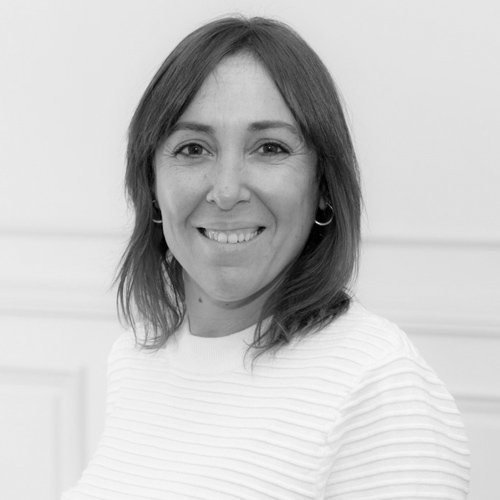
V FERO GRANT. DR. YASIR IBRAHIM. BARCELONA, MAY 2013
- Dr. Yasir Ibrahim, Postdoctoral Researcher at the Experimental Therapeutics Group at VHIO (Vall d'Hebron Institute of Oncology, Barcelona).
- Project: "Study of predictive biomarkers and resistance mechanisms to targeted therapy in breast cancer."
- Grant: €70,000
Despite therapeutic advances in recent years in breast cancer, some cases resist targeted therapy. This project aimed to delve into the genetic and molecular aspects determining sensitivity and resistance to innovative drugs in breast cancer: PI3K inhibitors and CDK4/6 inhibitors in combination with drugs approved to treat hormone-dependent disease. The project had three main pillars: expanding the xenograft model, studying the antitumor activity of PI3K and CDK4/6 inhibitors in luminal (ER-positive) and HER2 breast cancer-derived PDX models through an ex vivo assay, and validating genotype/pharmacodynamic marker associations with phenotype using genetic engineering and molecular biology techniques.
IV FERO GRANT. DR. HÉCTOR G. PALMER. BARCELONA, MAY 2012
- Dr. Héctor G. Palmer, Head of the Stem Cells and Cancer Group at VHIO (Vall d'Hebron Institute of Oncology, Barcelona).
- Project: "Study of the molecular mechanisms responsible for the progression of colon cancer."
- Grant: €70,000
This project aimed to isolate and study characteristics of tumor cells resistant to treatments and remaining dormant, responsible for relapses years after seemingly successful treatment. It identified a therapeutic target, the inhibition of which led to the elimination of these chemoresistant cells. Additionally, a biomarker was defined to reveal the presence of these resistant cells in tumors before treatment. This opens a window to personalized medicine for colon cancer, allowing the identification of patients who could benefit from alternative treatments.
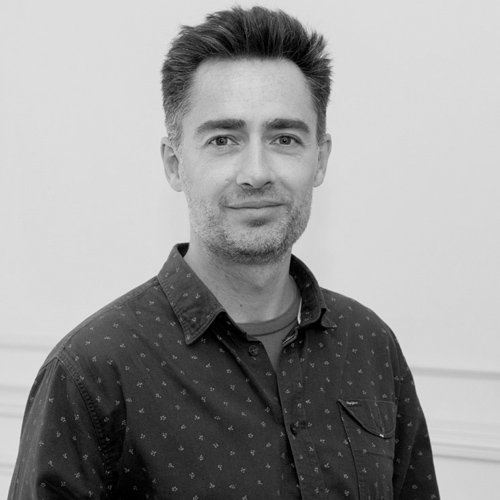
III FERO GRANT. DRA. LAURA SOUCEK. BARCELONA, MAY 2011
- Dra. Laura Soucek, Head of Antitumor Therapy Modeling in Mice at VHIO (Vall d'Hebron Institute of Oncology, Barcelona).
- Project: "Inhibition of Myc oncoprotein present in most tumors."
- Grant: €70,000
The Myc protein coordinates all programs that allow a cell to grow and divide, being involved in almost all types of cancer. Despite its clear role in cancer, there is still no drug that inhibits it, which was the goal of this project. The FERO grant funded key experiments for the development of what could be the first Myc inhibitor, Omomyc. Studies showed that Omomyc has a remarkable therapeutic index in all tested cancer types (skin, lung, pancreas, and more recently, brain) without causing significant or severe side effects in normal tissues.
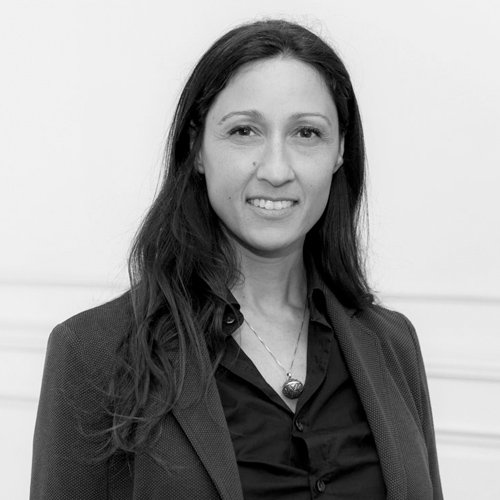
II FERO GRANT. DR. AMANCIO CARNERO. BARCELONA, JUNE 2010
- Dr. Amancio Carnero, Scientific Researcher at IBIS, Institute of Biomedicine of Seville.
- Project: "Study of personalized treatment for sarcomas."
- Grant: €70,000
Sarcomas are malignant tumors with a high percentage of morbidity and mortality in both children and adults. This research aimed to develop new treatments and identify predictive biomarkers for sarcomas with limited therapeutic options. The project involved generating a platform of sarcoma xenograft models using fresh samples from human sarcomas and identifying biomarkers to determine therapies with better efficacy.
I FERO GRANT. DR. JAUME MORA. MADRID, JUNE 2009
- Dr. Jaume Mora, Head of Pediatric Oncology at the Hospital Matern Infantil Sant Joan de Déu de Barcelona.
- Project: "Research against Ewing sarcoma."
- Grant: €70,000
This grant enabled the execution of a clinical trial across Spain with a wide range of ages (children, adolescents, and young adults) to create the first Ewing sarcoma treatment protocol at the national level. The clinical trial, a prospective, multicenter, non-randomized study for patients with Ewing sarcoma aged 40 or under, showed that outcomes depend mainly on the biology behind each case and are highly determined by the age at which the disease occurs, likely related to the cell of origin and its environment in which it develops malignantly. The first FERO grant was a significant boost for studying this disease in Spain.
Principio del formulario
Final del formulario

Nothing found.
The activity of the FERO Foundation is endorsed by
the ADVISORY SCIENTIFIC COMMITTEE.
The quality, transparency, and scientific rigor of the research activity developed by the FERO Foundation are guaranteed through the Advisory Scientific Committee, an external body chaired by Dr. Josep Tabernero and composed of reference experts in the field of oncological research who advise and validate the scientific strategic direction of all projects.
Its mission is to ensure the quality, transparency, and scientific rigor of the research activity of the Foundation, validate the actions taken, and help define the strategic lines to follow in the future to achieve the greatest possible impact in oncological research.
President
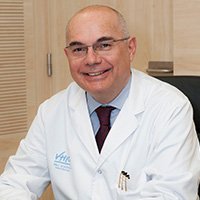
Dr. Josep Tabernero. Head of the Medical Oncology Service at Vall d’Hebron Hospital, Director of the Vall d’Hebron Institute of Oncology (VHIO). Barcelona.
Members
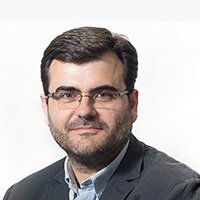
Dr. Eduard Batlle, Head of the Colorectal Cancer Group and Coordinator of the Oncology Program at the Biomedical Research Institute (IRB). Barcelona.
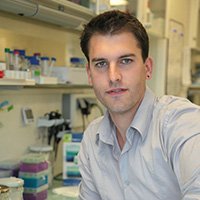
Dr. Arkaitz Carracedo, Principal Investigator of the Cell Signaling and Cancer Metabolism Group at the Cooperative Research Center in Biosciences (CICbioGUNE). Bilbao.
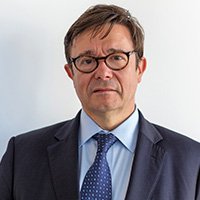
Dr. Andrés Cervantes, Professor of Medicine at the University of Valencia, Head of the Medical Oncology Service at the University Hospital Clínic of Valencia, and Scientific Director of the Instituto Clínic of Valencia (INCLIVA). Valencia.
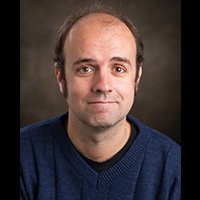
Dr. Oscar Fernández-Capetillo, Head of the Genomic Instability Group and Vice Director of the National Cancer Research Center (CNIO). Madrid.
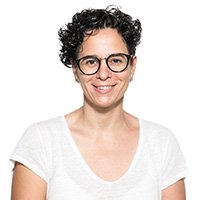
Dr. Núria López-Bigas, Principal Investigator of the Biomedical Genomics Group at the Institut de Recerca Biomèdica (IRB). Barcelona.
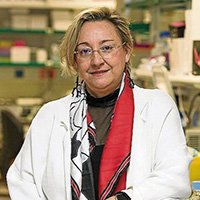
Dr. Ángela Nieto, Director of the Cell Movements in Physiology and Pathology Group at the Institute of Neurosciences (CSIC-UMH). Alicante.
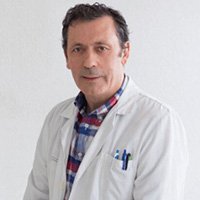
Dr. Luis Paz-Ares, Head of the Medical Oncology Service at the University Hospital 12 de Octubre in Madrid.
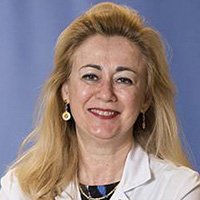
Dr. Isabel Rubio, Director of the Breast Pathology Unit at the Clínica Universidad de Navarra in Madrid. Specialist in breast cancer surgery and breast pathology. Madrid.

Dr. Marisol Soengas, Head of the Melanoma Group at the National Center for Oncological Research (CNIO). Madrid.
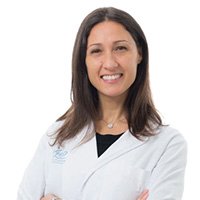
Dr. Laura Soucek, Head of the Tumor Anti-Therapy Modeling Group in Mice at the Vall d’Hebron Institute of Oncology (VHIO). Barcelona.
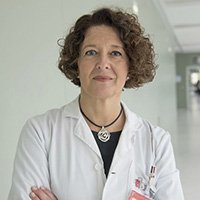
Dr. Ruth Vera, Head of the Medical Oncology Service at the Navarra Hospital Complex, specialist in digestive tumors, and president of the Sociedad Española de Oncología Médica (SEOM). Pamplona.
Secretario
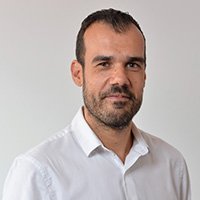
Dr. Ruben Ventura, Scientific Director of FERO Foundation.